
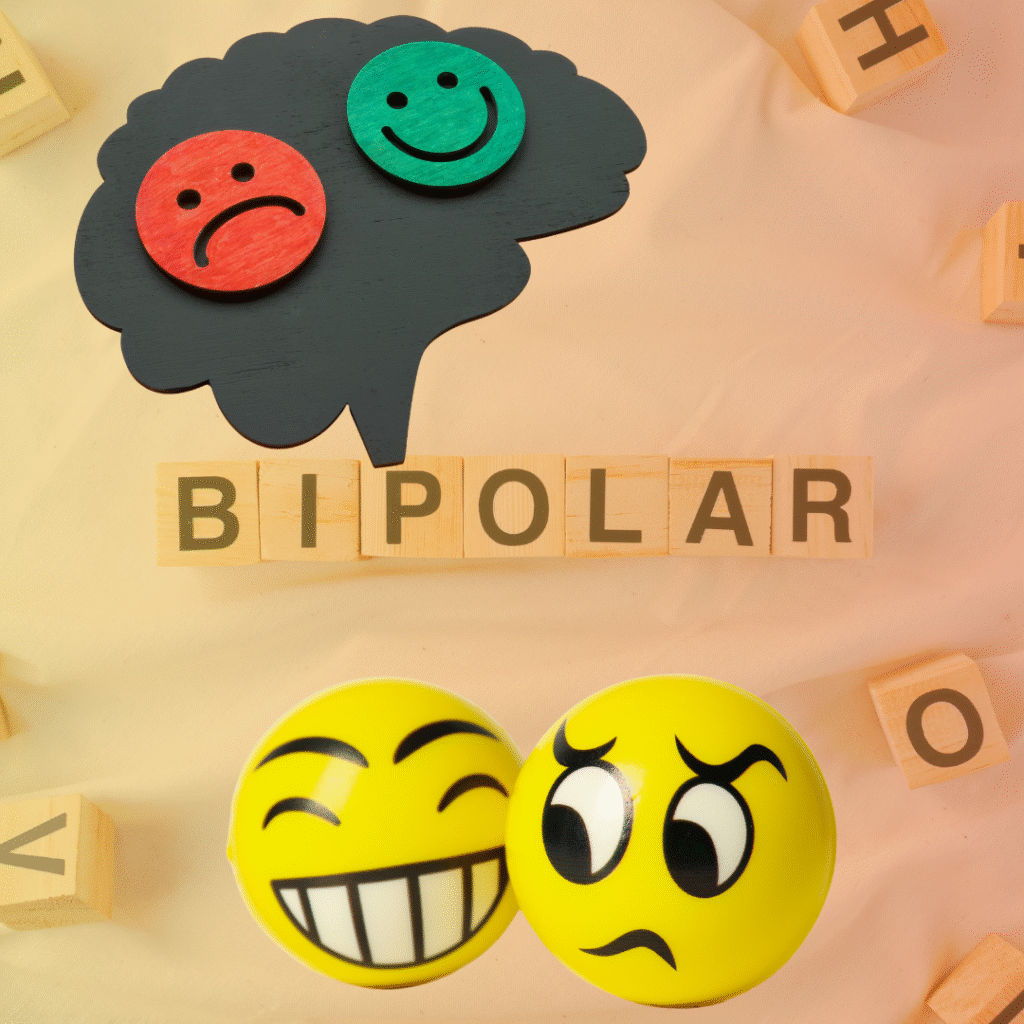
Bipolar disorder is a mental health condition that affects mood, energy, and activity levels. It is often misunderstood as simple “mood swings,” but it involves distinct episodes of depression and elevated mood states such as mania or hypomania. In Kenya, many people live with symptoms for months or years without recognizing that bipolar disorder may be contributing to challenges with sleep, work, relationships, and emotional stability.
If you have experienced periods of low mood followed by times of unusually high energy, irritability, impulsive behavior, or reduced need for sleep, a bipolar self-assessment can be a helpful first step. A free self-assessment tool offers a private way to reflect on symptoms and decide if professional support might help. This article explores the best free bipolar self-assessment tools in Kenya, how screening works, and what to do after getting your results.
Best Free Bipolar Self-Assessment Tools in Kenya
Several evidence-based bipolar screening tools are available online and are commonly used by clinicians and mental health professionals. Here are three trusted options:
1. Hera Therapy Bipolar Self-Assessment Tool
Hera Therapy offers a confidential and free bipolar self-assessment tool designed to help you reflect on symptoms in a supportive, easy-to-understand way. The tool helps you evaluate mood patterns, energy levels, sleep changes, impulsivity, and how symptoms may affect daily life.
After completing the assessment, you receive guidance on next steps, including therapy support and referral options. This makes it a strong option for anyone in Kenya looking for a structured starting point and a pathway to professional help.
2. Healthy Minds Kenya Bipolar Screening Resources
Healthy Minds Kenya provides mental health education and screening support to help people understand mood disorders, including bipolar disorder. Their resources can help you identify common bipolar symptoms, understand the difference between bipolar disorder and depression, and learn how screening works.
This option is helpful for individuals who want both education and guidance, especially when symptoms feel confusing or difficult to label.
3. NovoPsych Bipolar Self-Assessment Tools
NovoPsych offers clinically informed mental health screening tools used internationally, including tools linked to bipolar screening. Many of their assessments are based on recognized clinical measures and are designed to support symptom tracking and initial screening.
NovoPsych is especially useful if you want a structured tool that reflects clinical standards, or if you plan to share your results with a mental health professional for further evaluation.
Common Bipolar Disorder Symptoms
Bipolar symptoms often appear in episodes. Some people experience intense mood shifts, while others notice more subtle changes over time. The condition may involve two main types of episodes: depressive episodes and manic/hypomanic episodes.
Depressive symptoms may include:
- Feeling hopeless or empty
- Low energy and motivation
- Sleeping too much or struggling with sleep
- Loss of interest in activities
- Difficulty concentrating
- Thoughts of worthlessness
Manic or hypomanic symptoms may include:
- Increased energy or restlessness
- Reduced need for sleep
- Racing thoughts or rapid speech
- Feeling unusually confident or “on top of the world”
- Impulsivity (spending, risky decisions, sudden plans)
- Irritability or agitation
If these patterns feel familiar, a self-assessment can help you understand your experiences more clearly.
Why Bipolar Screening Matters
Bipolar disorder often goes misdiagnosed, especially when depressive symptoms are more visible. Without screening and support, people may experience repeated cycles of emotional distress, strained relationships, job instability, and burnout.
Screening matters because it:
- Helps you recognize patterns in your mood and energy
- Reduces confusion and self-blame
- Encourages early support before symptoms worsen
- Guides you toward the right treatment path
When bipolar symptoms are identified early, it becomes easier to seek therapy and build tools for stability and emotional regulation.
How a Bipolar Self-Assessment Works
A bipolar self-assessment is usually quick and private. You answer questions based on your emotional experiences over a period of time, often the past few weeks, months, or across your general life pattern.
Most bipolar tests assess areas such as:
- Mood shifts and intensity
- Sleep patterns and energy changes
- Impulsive behavior
- Irritability and agitation
- Depressive symptoms
- Impact on work, relationships, and daily life
Once completed, the tool gives feedback that helps you determine if your symptoms match common bipolar patterns and if professional screening is recommended.
Who Can Benefit From a Bipolar Test?
A bipolar self-assessment can help anyone who experiences significant changes in mood, energy, or behavior. It is especially useful if symptoms affect daily functioning or relationships.
It can help if you have noticed:
- Repeated periods of depression followed by high-energy phases
- Sudden impulsive decisions that feel out of character
- Sleep changes that happen with mood shifts
- Mood instability that affects work or relationships
- Irritability and agitation that appear in episodes
If symptoms have lasted more than a few weeks or continue returning in cycles, screening can be a powerful first step.
What Happens After the Assessment?
After completing a bipolar self-assessment, your next step depends on your results and comfort level. Some people begin with therapy to explore emotional patterns and coping strategies, while others choose a clinical evaluation for diagnosis and structured treatment.
Support may include:
- Professional assessment by a clinician
- Therapy for emotional regulation and coping skills
- Lifestyle and routine support (sleep, stress management)
- Treatment planning guided by professionals
If your results suggest symptoms are severe or disruptive, speaking to a mental health professional is strongly recommended.
Why Choose Hera Therapy
At Hera Therapy, we believe emotional stability is possible with the right support. Our therapists provide trauma-informed and evidence-based care in a confidential environment. We help you interpret your assessment results, explore your symptom patterns, and build practical strategies for stability.
We also support individuals who feel confused about mood changes, helping them find clarity without judgment.
Book an Appointment With Hera Therapy
Taking the first step can feel difficult, but it is also a powerful act of self-care. If your bipolar self-assessment suggests that mood patterns may be affecting your life, Hera Therapy is here to support you. Our services are confidential, professional, and tailored to your needs. Start your healing journey today and take steps toward emotional stability and wellbeing.