
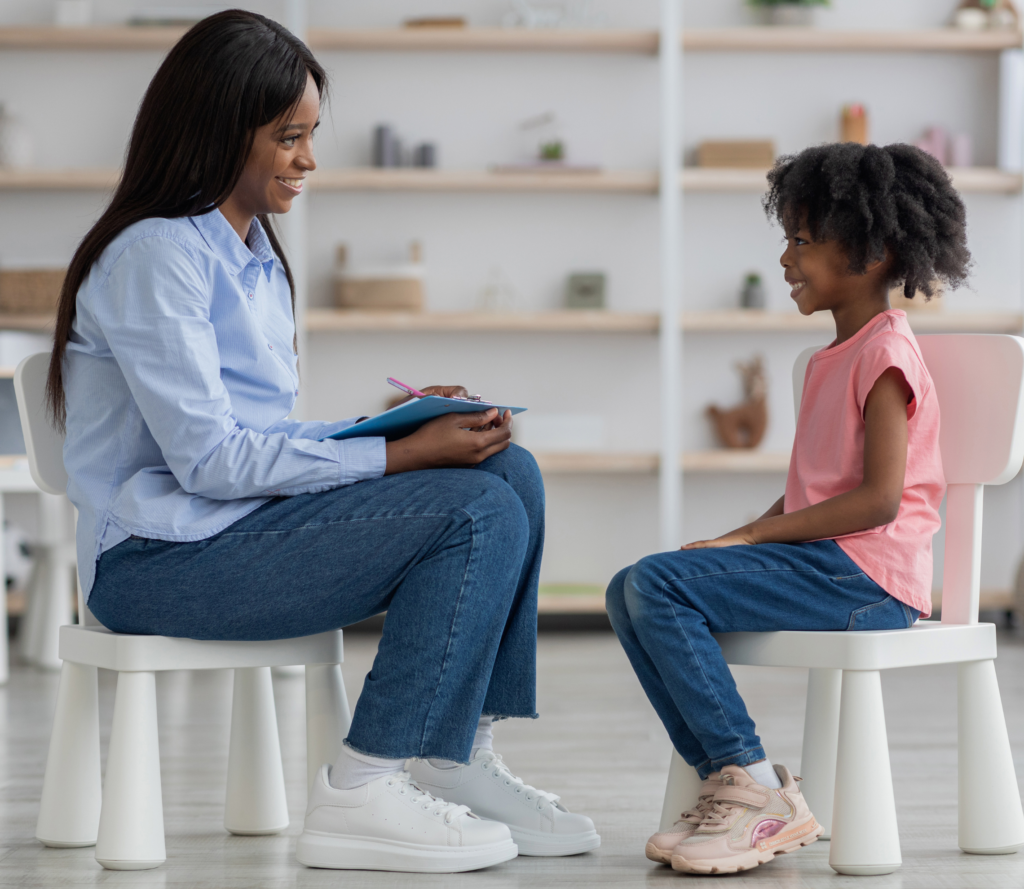
Every child needs emotional safety, understanding, and consistent support to grow into a confident and emotionally healthy adult. In today’s fast-paced world, children face academic pressure, social challenges, emotional stress, and developmental changes that can affect their mental wellbeing.
Parents play a critical role in supporting their child’s mental health at home. Simple daily actions such as making eye contact and giving them your undivided attention, normalizing talking about feelings, and encouraging daily check-ins can significantly improve emotional stability and confidence.
Supporting children’s mental health at home does not require professional expertise alone; it begins with love, patience, and intentional communication. This guide explores practical ways how parents can support their child’s mental health while building stronger emotional connections.
Also Read: Step-by-Step Guide to Completing a Mental Health Self-Assessment at Home
Practical Ways Parents Can Support Their Child’s Mental Health at Home
Parents can create a positive emotional environment for children through consistent communication, emotional validation, and supportive daily routines.
1. Hera Therapy – Create Emotional Connection Through Attention
One of the most powerful ways to support a child’s mental health is through emotional presence and active listening. Children feel valued and understood when parents show genuine attention during conversations.
Parents can:
- Make eye contact and give them your undivided attention when they speak
- Avoid distractions such as phones during important conversations
- Show interest in their school life, friends, and daily experiences
Spending intentional time with children helps strengthen trust, emotional security, and self-confidence. Children who feel heard are more likely to express emotions openly.
2. Normalize Talking About Feelings
Many children struggle to express emotions because they fear being judged or misunderstood. Parents can help by creating an environment where emotional expression is normal and encouraged.
Parents can:
- Talk openly about emotions at home
- Use simple language to help children describe feelings
- Avoid dismissing emotions such as fear, sadness, or anxiety
Teaching children that feelings are normal helps improve emotional intelligence and mental resilience. When children learn to express emotions early, they are better equipped to manage stress and social challenges.
3. Encourage Daily Check-Ins
Daily emotional check-ins help parents understand how their child is feeling emotionally and mentally.
Parents can ask simple questions such as:
- How was your day today?
- What made you happy today?
- Did anything make you feel worried?
Encourage children to talk about both positive and negative experiences. This helps children develop emotional awareness and confidence in sharing their thoughts.
Encouraging daily check-ins also helps parents identify early signs of stress, anxiety, or emotional distress.
4. Create a Safe and Supportive Home Environment
A supportive home environment plays a major role in children’s mental health development.
Parents should:
- Maintain predictable routines
- Provide emotional reassurance during stressful situations
- Encourage healthy sleep and study habits
Children who grow up in stable environments tend to develop stronger emotional regulation skills and confidence.
5. Teach Healthy Coping Skills
Children need guidance on how to manage difficult emotions and stress. Parents can help by teaching positive coping strategies.
Encourage children to:
- Engage in physical activities and play
- Practice breathing exercises when feeling overwhelmed
- Express emotions through drawing, writing, or storytelling
Healthy coping skills help children manage anxiety, anger, and frustration effectively.
6. Encourage Social Interaction and Positive Relationships
Social relationships play a key role in child mental health development.
Parents can support social wellbeing by:
- Encouraging healthy friendships
- Teaching conflict resolution skills
- Monitoring social media use for older children
Positive social experiences help build confidence and emotional stability.
Signs Your Child May Need Additional Support
While home support is important, some children may need professional mental health support if they show:
- Persistent sadness or withdrawal
- Frequent emotional outbursts
- Difficulty concentrating
- Changes in sleep or appetite
- Anxiety about school or social situations
- Loss of interest in activities they once enjoyed
Early mental health support can improve long-term emotional outcomes.
Why Choose Hera Therapy for Child Mental Health Support
Hera Therapy provides professional child and adolescent mental health support for families seeking guidance.
Our therapists help children manage emotional challenges including anxiety, stress, behavioral concerns, and developmental difficulties.
Hera Therapy supports families through:
- Professional counselling support
- Child and adolescent therapy services
- Parent guidance and mental health education
- Compassionate and confidential care
We believe every child deserves emotional safety and psychological wellbeing.
Support Your Child’s Mental Health Today
Supporting your child’s mental health at home is one of the greatest gifts a parent can give. Simple daily actions such as listening, validating emotions, and encouraging communication can significantly improve emotional development.
If you notice emotional or behavioral concerns in your child, seeking professional guidance can provide additional support.
Book Child Therapy Support With Hera Therapy
If you are looking for professional child mental health support in Kenya, Hera Therapy is here to help. Take the first step toward supporting your child’s emotional wellbeing today.
Contact Hera Therapy today to book a consultation and access professional, compassionate child therapy support in Kenya.