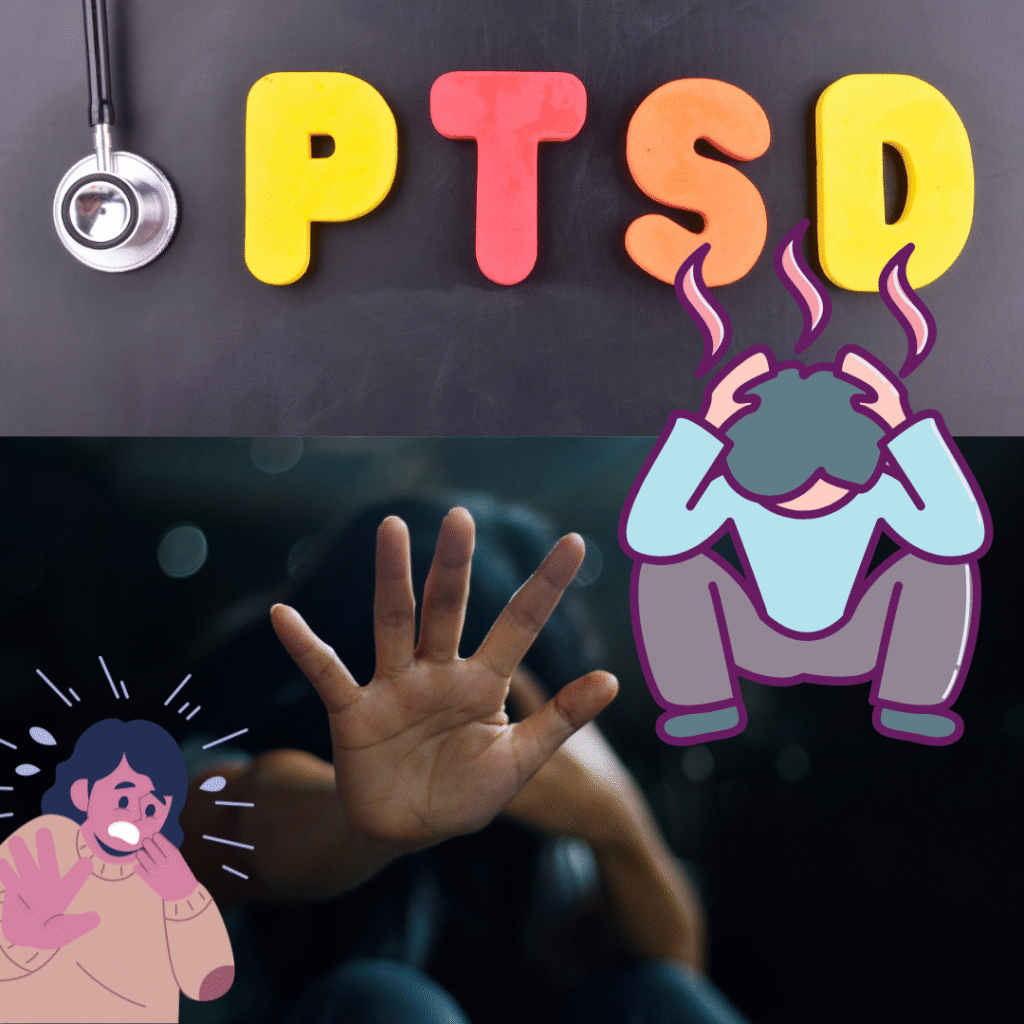
Experiencing a traumatic or highly stressful event can affect your thoughts, emotions, sleep, relationships, and everyday life. Sometimes these effects continue long after the event, making it difficult to understand why you feel anxious, withdrawn, constantly alert, or distressed.
The Post Traumatic Stress Disorder (PTSD) Self Assessment Tool from Hera Therapy provides a simple and private way to reflect on possible PTSD symptoms. The free PTSD self assessment tool asks about experiences during the past month and can help you understand whether some symptoms may need further attention. It is a screening tool, not a diagnosis.
Also Read: Best Alcohol Use Disorder Self Assessment Tool in Kenya
Post Traumatic Stress Disorder (PTSD) Self Assessment Tool
Hera Therapy’s PTSD self assessment is designed to help you reflect on common post traumatic stress symptoms in a supportive and easy to understand format. The assessment uses 20 questions, with each question asking how much a particular experience has affected you during the past month.
Every question has five response options:
- Not at all
- A little bit
- Moderately
- Quite a bit
- Extremely
The questions cover different areas of PTSD, including unwanted memories, nightmares, avoidance, negative thoughts and feelings, emotional changes, alertness, concentration, memory, and sleep.
What Does the Hera Therapy PTSD Assessment Ask About?
The 20 questions in the assessment cover several common areas associated with post traumatic stress. Understanding what each section means can make it easier to complete the questionnaire honestly and without feeling confused.
The 20 questions cover common PTSD symptoms. Each question asks you to think about how much that experience has affected you during the past month.
1. Unwanted Memories
Have you experienced repeated and disturbing memories of the stressful event?
2. Disturbing Dreams
Have you had repeated or upsetting dreams related to the stressful experience?
3. Reliving the Experience
Have you felt as though the stressful event was happening again?
4. Upset by Reminders
How strongly do you react when something reminds you of the stressful experience?
5. Physical Reactions
Have reminders caused physical reactions such as a racing heart, sweating, or difficulty breathing?
6. Avoiding Thoughts
Have you tried to avoid thoughts, memories, or feelings connected to the experience?
7. Avoiding Reminders
Have you avoided people, places, activities, conversations, or situations that remind you of what happened?
8. Negative Beliefs
Have you developed strong negative beliefs about yourself, other people, or the world?
9. Blame
Have you blamed yourself or someone else for the experience or what happened afterward?
10. Negative Feelings
Have you experienced strong feelings such as fear, anger, guilt, shame, or horror?
11. Loss of Interest
Have you lost interest in activities that you previously enjoyed?
12. Feeling Distant
Have you felt disconnected or emotionally distant from other people?
13. Difficulty Feeling Positive
Have you found it difficult to experience happiness, love, or other positive emotions?
14. Irritability and Anger
Have you experienced increased irritability, angry outbursts, or aggressive behaviour?
15. Risk Taking
Have you been taking unusual risks or doing things that could put you in danger?
16. Being on Guard
Have you felt constantly alert, watchful, or on guard for danger?
17. Easily Startled
Have you become unusually jumpy or easily startled?
18. Difficulty Concentrating
Have you experienced difficulty concentrating on work, studies, conversations, or everyday tasks?
19. Memory Problems
Have you had difficulty remembering important parts of the stressful experience?
20. Sleep Problems
Have you had trouble falling asleep or staying asleep?
How to Take the Free PTSD Self Assessment Tool With Ease
You do not need to be a mental health expert to complete the assessment. The questions are designed for you to answer based on your own experiences.
To make the process easier:
- Choose a quiet and private space where you can concentrate.
- Read each question slowly instead of rushing through the assessment.
- Think about the past month when choosing your answer.
- Answer based on your own experience, rather than what you think you should feel.
- Choose the option that best represents the intensity of each experience.
- Do not overthink your answers. There are no answers you need to get right or wrong.
- Take a short break if a question feels emotionally difficult.
- Complete the assessment at your own pace and consider professional support if you have ongoing concerns.
The purpose is to help you reflect on your experiences, not to judge or label you.
Why Choose Hera Therapy for PTSD Support?
Hera Therapy combines online mental health resources with professional therapy and counselling services. If you are concerned about possible PTSD symptoms, you can start by using the free assessment tool and then seek professional guidance when needed.
You can expect:
- Confidential mental health support
- Professional counselling and therapy
- Compassionate and supportive care
- Evidence based mental health services
- Online mental health resources
- Support tailored to your individual needs
Take the PTSD Self Assessment With Hera Therapy
If you have experienced a distressing event and are concerned about changes in your emotions, behaviour, sleep, or relationships, the Post Traumatic Stress Disorder (PTSD) Self Assessment Tool can be a helpful first step.
Take the free PTSD self assessment tool from Hera Therapy and reflect on your experiences during the past month. Remember that the assessment is a screening tool and not a diagnosis. If you need further guidance, consider speaking with a qualified mental health professional.
Start your PTSD self assessment with Hera Therapy today.