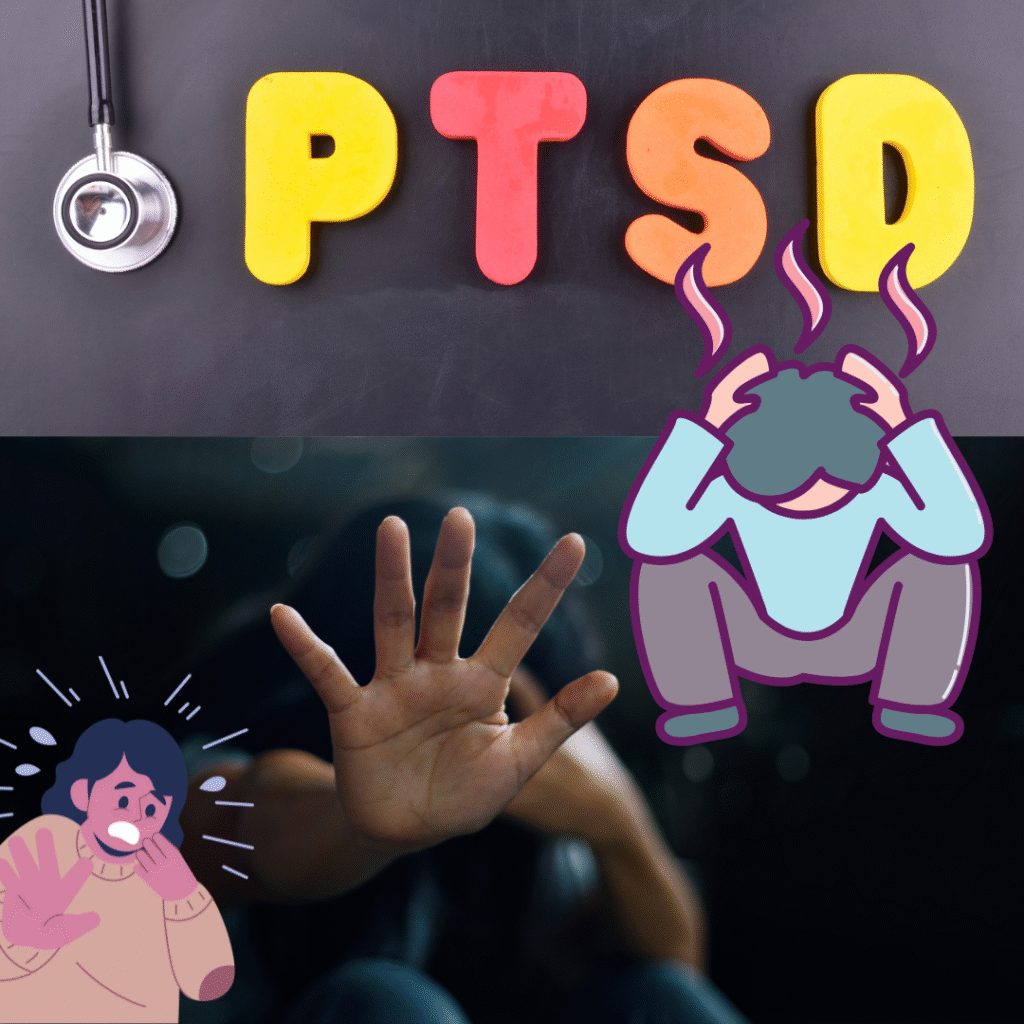
Trauma can affect anyone, and its impact is not always immediate or obvious. For many people in Kenya, post traumatic stress disorder (PTSD) may develop after experiences such as accidents, violence, abuse, medical emergencies, grief, or witnessing distressing events. Over time, PTSD symptoms can begin to interfere with sleep, relationships, work performance, and overall emotional wellbeing.
If you have noticed signs like flashbacks, nightmares, anxiety, emotional numbness, irritability, or avoiding certain places and memories, it can be helpful to start with a PTSD self-assessment. A PTSD test offers a private, supportive way to understand what you’re experiencing and determine whether professional support might help.
Also Read: Best Alcohol Use Disorder Self-Assessment Tool in Kenya and How It Works
Best PTSD Self-Assessment Tools in Kenya
Several evidence-based PTSD assessment tools are available and are widely used by clinicians and mental health professionals. Here are three trusted options:
1. Hera Therapy PTSD Self-Assessment Tool
Hera Therapy offers a confidential PTSD self-assessment tool designed to help you identify common post traumatic stress disorder symptoms in a clear, supportive way. The tool helps you reflect on symptoms such as intrusive memories, avoidance, hypervigilance, emotional distress, and how trauma may be affecting your daily life. Based on your results, you get guidance on next steps, including therapy support and professional screening options tailored to your needs.
2. Chiromo Hospital PTSD Screening & Assessment
Chiromo Hospital provides mental health services and professional assessments that include PTSD screening for adults. Their structured assessments are conducted by qualified clinicians and may include guided screening tools and clinical interviews to evaluate symptoms, severity, and related concerns such as depression, anxiety, or substance use. This option is especially helpful for individuals who prefer in-person clinical assessment and follow-up care.
3. PCL-5 (PTSD Checklist for DSM-5)
The PCL-5 is one of the most widely used PTSD tests globally and is trusted by mental health professionals. It is a structured questionnaire that measures PTSD symptoms over the past month, including distressing memories, emotional reactions, avoidance, negative thoughts, and heightened arousal. While the PCL-5 does not replace diagnosis, it is a reliable PTSD assessment for adults and is often used to guide therapy decisions and track improvement over time.
Why PTSD Screening Matters
PTSD can affect the brain and body in powerful ways. Many people live with symptoms for months or years without realizing trauma is the root cause. Without support, PTSD may lead to sleep problems, panic attacks, substance use, chronic stress, strained relationships, difficulty concentrating, and emotional withdrawal.
PTSD screening is important because it helps you understand your symptoms earlier, normalize what you’re experiencing, and reduce the feeling of confusion or self-blame. A PTSD assessment also makes it easier to seek the right type of therapy and support before symptoms become more severe.
How a PTSD Self-Assessment Works
Taking a PTSD self-assessment is usually simple and private. You answer questions based on how you’ve been feeling over a recent period, such as the last two weeks or last month. The tool may ask about your emotional reactions, sleep patterns, intrusive memories, stress levels, and how trauma has affected your ability to function.
Once completed, you receive feedback that helps you understand your symptom level and whether it might be helpful to speak to a therapist or clinician for a full PTSD assessment for adults.
Who Can Benefit From a PTSD Test?
A PTSD self-assessment tool can help anyone who has experienced a traumatic event and notices emotional or behavioral changes afterward. This includes adults who feel constantly on edge, struggle with nightmares, experience panic symptoms, avoid reminders of a past event, or feel emotionally detached from loved ones.
Many people appear “okay” externally while suffering internally, so self-assessment can be a powerful first step. A PTSD test is especially helpful if your symptoms have lasted more than a few weeks, worsened over time, or started affecting your work, relationships, or sleep.
What Happens After the Assessment?
After completing a PTSD assessment tool, your next steps depend on your results and comfort level. Some people begin with therapy to process trauma in a safe environment, while others choose a clinical evaluation for diagnosis and structured care. Trauma therapy may include approaches like cognitive behavioral therapy (CBT), EMDR, grounding techniques, and emotional regulation strategies. At Hera Therapy, assessment results can also help match you with the right therapist and guide a treatment plan that supports healing, safety, and long-term recovery.
Why Choose Hera Therapy
At Hera Therapy, we believe healing from trauma is possible when you feel safe, supported, and understood. Our trauma-informed therapists provide compassionate, evidence-based care in a confidential environment.
We take time to understand your experience, help you interpret your assessment results, and guide you through practical tools for emotional regulation and recovery. We also offer flexible and accessible care options designed for individuals in Kenya, making it easier to begin therapy without fear or judgment.
Book an Appointment With Hera Therapy
Taking the first step can feel difficult, but it is also a powerful act of self-care. If your PTSD self-assessment results suggest that trauma may be affecting your life, Hera Therapy is here to support you. Our services are confidential, professional, and tailored to your needs. Start your healing journey today and take steps toward peace, stability, and emotional wellbeing.